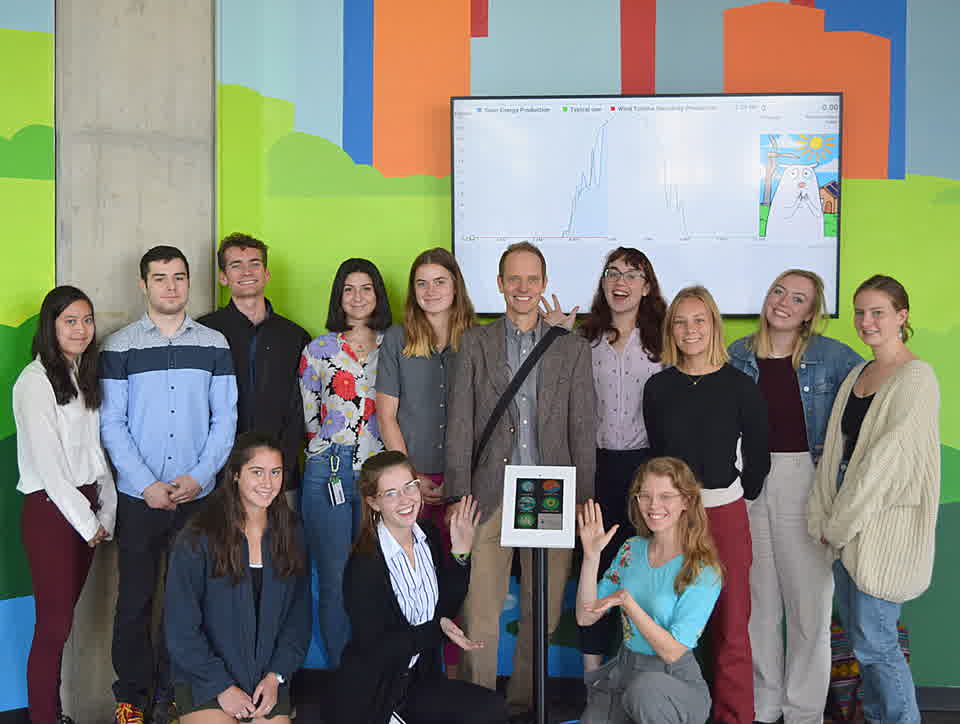
Digital Signage
 Phone App
 Web Embeddables
 Neighborhoods
Bring Dashboard to Your Community
Resources
This document is intended for communities, organizations and individuals who are interested in employing all or parts of Environmental Dashboard to promote sustainability, resilience and systems thinking.
The steps
From first call to a live screen
- 1
Talk with us and set goals
A first call about your community, your partners and your first locations.
- 2
Map your data sources
List the utility feeds, meters, building systems and monitors you already have.
- 3
Choose where people will see it
Screens in shared spaces, a phone remote for each one, and web pages.
- 4
Build the first content
Community Voices interviews, the calendar, stories and each site's own notices.
- 5
Run a pilot and a baseline
Start at a few sites, and measure where things stand before launch.
- 6
Grow with partners and sponsors
Add locations, partners and funding once the pilot is running.
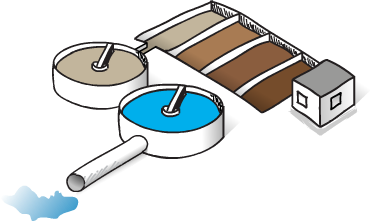 Utility and treatment plantsMeasure electricity, drinking water and wastewater for the whole town
 Screens, phones and webThe Citywide Dashboard and its gauges show the numbers
Ways to take part
Post events or jobs
Free, public posts reach the screens, the website and the weekly email within hours.
Host a screen
You install the hardware and cover baseline software and content costs for a two year trial.
Sponsor the dashboard
Being an official sponsor of the project (and getting featured for doing so)
“Not many towns own their own electric utility. We do. So we can control where our electricity comes from.”
Questions about starting a dashboard
Do we need to install new meters?
Not always. Oberlin's Citywide Dashboard runs on readings its utility and treatment plants already collect. Hamilton College's pilot uses its existing building system.
How does Community Hub connect to a utility?
The utility shares whole system readings and Data Hub collects them. In Oberlin, a new reading arrives every minute.
Who keeps the content up to date?
The work is shared. Anyone can post a public event or job through a short form, and each site adds its own notices, the way Oberlin's school principals post their own announcements.
Can we start with a few sites?
Yes. MidTown's pilot started at four sites and grew to 10 locations by January 2026.